Democracy
Is Indigenous
Democracy
Is Indigenous
For more than a thousand years, the Haudenosaunee Confederacy has practiced a living democracy rooted in peace, reciprocity, women’s authority, and responsibility to future generations. Their story helped shape the founding of the United States.
For more than a thousand years, the Haudenosaunee Confederacy has practiced a living democracy rooted in peace, reciprocity, women’s authority, and responsibility to future generations. Their story helped shape the founding of the United States.

A Shared History
Roots of American Democracy
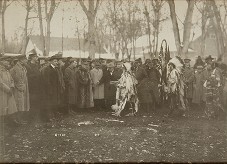
Indigenous democratic tradition was present at the founding of American Democracy. When Europeans arrived in North America they encountered sovereign Indigenous nations organized under sophisticated systems of governance, diplomacy, and peace. For centuries before 1776, the Haudenosaunee Confederacy practiced principles of federalism, representation, and collective decision-making. This pre-existing democracy shaped the American constitutional philosophy and continues to this day.
The Great Law of Peace predates the United States by centuries. It is an ancestral tradition representing a unique thinking about humanity’s place and customary ways on Mother Earth.
Six sovereign nations united under a shared democratic framework - the Great Law of Peace - to form the Haudenosaunee Confederacy. Many others joined as “rafters” on the ceiling of the Longhouse and were often sheltered by the Confederacy Councils.
Founding Fathers, most notably Benjamin Franklin, studied and engaged with Haudenosaunee leaders, documenting important treaty negotiations that featured the Great Law of Peace protocol.
The Haudenosaunee Confederacy, its constitution and democracy, sustains to this day in several Native territories and in various forms, including Longhouse councils - governments.
A Complete History
Why Now
A Shared History
A Complete History
Why Now
A Shared History
A Complete History
Why Now
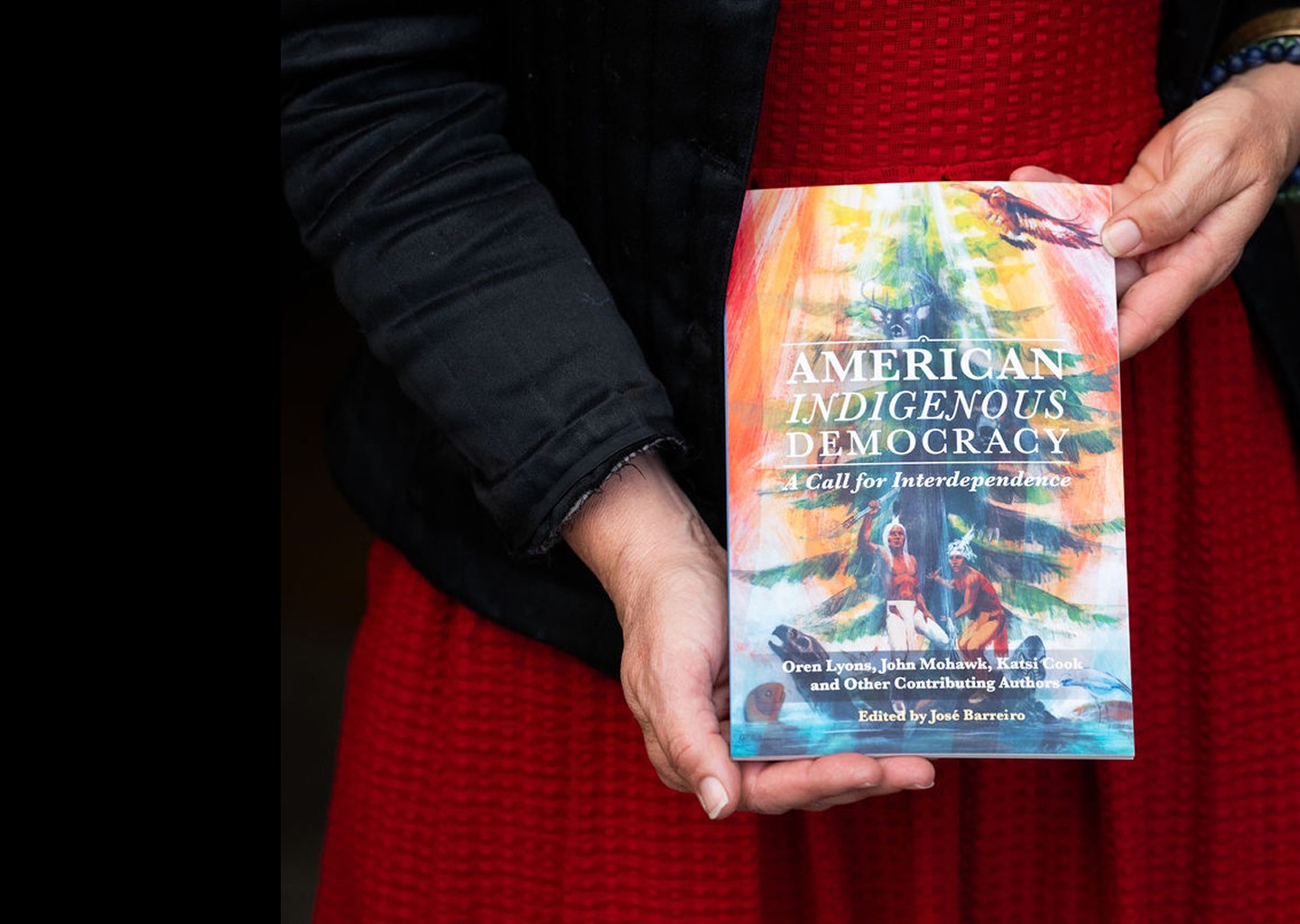
American Indigenous Democracy:
A Call for Interdependence
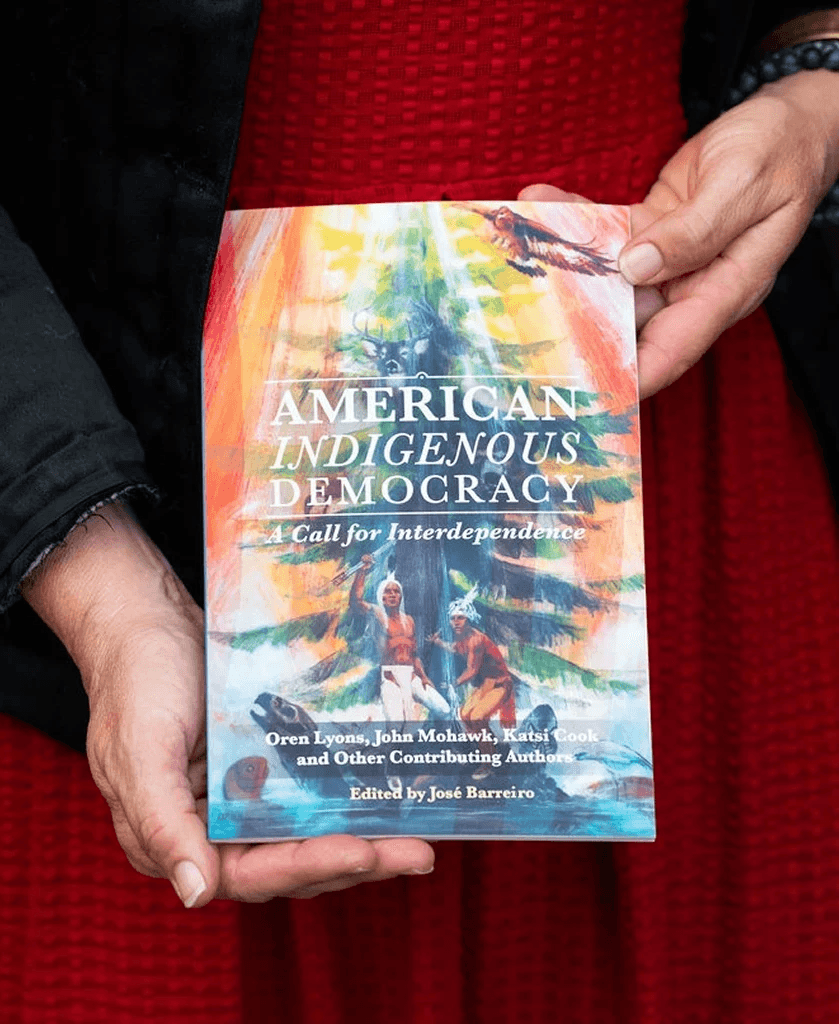
American Indigenous Democracy: A Call for Interdependence
Through conversations with Haudenosaunee Elders, wisdom keepers, scholars, and advocates, this book reveals the enduring political philosophy of the Haudenosaunee Confederacy and its relevance to the defining challenges of our time.
WHAT YOU'LL LEARN
WHAT YOU'LL LEARN
WHAT YOU'LL LEARN
Gloria Steinem
writer, political activist, and feminist organizer
Gloria Steinem, writer, political activist, and feminist organizer
“
American Indigenous Democracy: A Call for Interdependence is a much-needed and
American Indigenous Democracy: A Call for Interdependence is a
well-researched book that documents the truth that democracy was developed in North America, and is its gift to the world. On this fragile planet, only understanding the roots and hopes of democracy can give us a safe future. The Haudenosaunee were living it, they
much-needed and well-researched book that documents the truth that democracy was developed in North America, and is its gift to the world. On this fragile planet, only understanding the roots and hopes of democracy can give us a safe future. The Haudenosaunee were living it,
American Indigenous Democracy:
“
much to learn from them.
”
A Call for Interdependence is a much-needed and well-researched book that documents the truth that democracy was developed in North America, and is its gift to the world. On this fragile planet, only understanding the roots and hopes of democracy can give us a safe future. The Haudenosaunee were living it, they are still, and we have
are still, and we have much to learn from them.
they are still, and we have much to learn from them.
”
Meet the Authors,
Wisdom Keepers
Meet the Authors,
Wisdom Keepers
This is not ancient history.
The Great Law of Peace - the thinking and frameworks it offers - continues to be practiced and carried forward today by Haudenosaunee leaders and their communities who have maintained these teachings across generations.
Hatueyael José Barreiro
Karoniaktatie Alex Jacobs
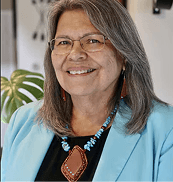
Kiohawiton Beverly Cook

Kanatakeniate Tom Cook
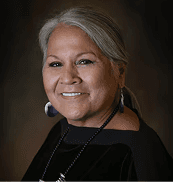
Tekatsi:tsia'kwa Katsi Cook-Barreiro
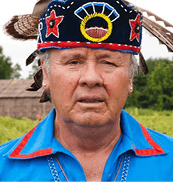
G. Peter Jemison
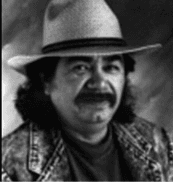
Skaroniate Ron LaFrance (1945-1996)
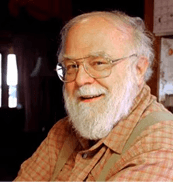
Robert T. Venables, Ph.D.
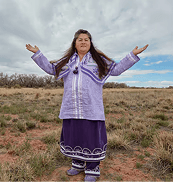
Wakérakats:te Louise McDonald Herne
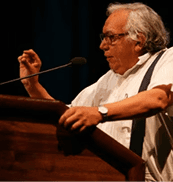
Sotsisowah John Mohawk (1945-2006)
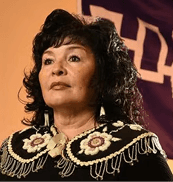
Gaeñhia uh Betty Lyons Hill
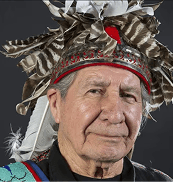
Joagquisho Oren Lyons
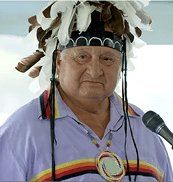
Sakokwenionkwas Thomas R. Porter
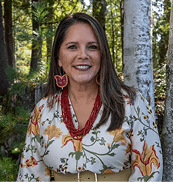
Kaluhyanu:wes Michelle Schenandoah
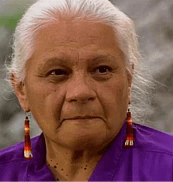
Gonwaiannih Audrey Lazore Shenandoah (1926–2012)
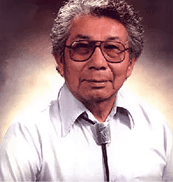
Hadajigehta' Jacob Ezra Thomas (1922-1998)
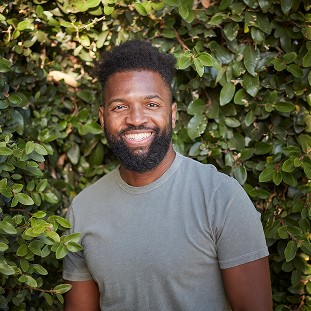
Baratunde Thurston

Richard Hill, Sr.
Hatueyael José Barreiro
Hatueyael José Barreiro
Karoniaktatie Alex Jacobs
Karoniaktatie Alex Jacobs
Kiohawiton Beverly Cook
Kiohawiton Beverly Cook
Kanatakeniate Tom Cook
Kanatakeniate Tom Cook
Tekatsi:tsia'kwa Katsi Cook-Barreiro
Tekatsi:tsia'kwa Katsi Cook-Barreiro
G. Peter Jemison
G. Peter Jemison
Skaroniate Ron LaFrance (1945-1996)
Skaroniate Ron LaFrance (1945-1996)
Robert T. Venables, Ph.D.
Robert T. Venables, Ph.D.
Wakérakats:te Louise McDonald Herne
Wakérakats:te Louise McDonald Herne
Sotsisowah John Mohawk (1945-2006)
Sotsisowah John Mohawk (1945-2006)
Gaeñhia uh Betty Lyons Hill
Gaeñhia uh Betty Lyons Hill
Joagquisho Oren Lyons
Joagquisho Oren Lyons
Sakokwenionkwas Thomas R. Porter
Sakokwenionkwas Thomas R. Porter
Kaluhyanu:wes Michelle Schenandoah
Kaluhyanu:wes Michelle Schenandoah
Gonwaiannih Audrey Lazore Shenandoah (1926–2012)
Gonwaiannih Audrey Lazore Shenandoah (1926–2012)
Hadajigehta' Jacob Ezra Thomas (1922-1998)
Hadajigehta' Jacob Ezra Thomas (1922-1998)
Contributors
Contributors
Contributors
Baratunde Thurston
Baratunde Thurston

Jack Manno, PhD
Jack Manno, PhD
Richard W. Hill, Sr.
Richard W. Hill, Sr.
A Second Chance to Listen
A Second Chance to Listen
For 250 years, America has been built on an incomplete story of democracy. What would become possible if we placed women, interdependence, peace, and responsibility to future generations at the center of our democracy?
For 250 years, America has been built on an incomplete story of democracy. What would become possible if we placed women, interdependence, peace, and responsibility to future generations at the center of our democracy?
Great Law of Peace
Indigenous Thinking
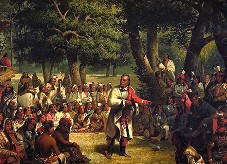
Great Law of Peace
Indigenous Thinking
Colonies
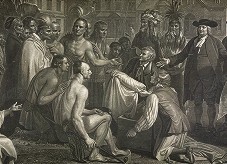
Interdependence in founding a country
Interdependence in Founding a Country
1776
Defining a basis for democracy
Defining a Basis for Democracy
1865

Civil War and Seneca Chief Eli Parker at Appomattox: “We are all Americans here.” Photo: Harvard Fine Arts Library
Civil War and Seneca Chief Eli Parker at Appomattox: “We are all Americans here.”
Photo: Harvard Fine Arts Library
2026
Quest for Peace and Goodmindedness
Next 250 Years

Mother Earth at the Center
Join the Conversation
Join the Conversation
Our Democracy is Rooted, Our Future Is Shared
Our Democracy is Rooted,
Our Future Is Shared
The invitation is open. Join readers, educators, organizers, institutions, and communities exploring what Indigenous democratic traditions can teach us about building a more peaceful, just, and life-affirming future.


Book Reviews
Book Reviews
“
This book expands our understanding of the roots of this country and offers practices and wisdom about how to make peace during times of conflict. If enough of us listen and learn from the wisdom that inspired the country’s founders, perhaps we can once again reconnect with our mother and find peace and healing in our communities.
Colin Mutchler, Togethering Lab
“
This book reminds us how to live. How to remember that we all stem from the mother and mother earth. How to tap into our matrilineal roots. How to lead with peace..It’s time for us to reintegrate these principles into present governance in order for us—as a society and as a planet—to survive many generations into the future.
Sara M. Watson, (m)otherboard god(m)other
“
What if the answers to our deepest systemic challenges, like climate change, inequality, and political divides, have been here all along? The indigenous peoples of this land are great teachers of how to live well and in harmony with one another. American Indigenous Democracy gathers their wisdom on governance, healing, and what it means to come back to our conscious selves and each other.
Mike Rabin, Pollinators for Change
“
Every American I know is tired in a way that policy cannot reach. This book names the source. We are governing without the foundation that makes governance survivable, and the people who kept that foundation alive are still here, still teaching, still waiting for us to listen
Tracee Worley, Radical Futures
“
This book expands our understanding of the roots of this country and offers practices and wisdom about how to make peace during times of conflict. If enough of us listen and learn from the wisdom that inspired the country’s founders, perhaps we can once again reconnect with our mother and find peace and healing in our communities.
Colin Mutchler, Togethering Lab
“
This book reminds us how to live. How to remember that we all stem from the mother and mother earth. How to tap into our matrilineal roots. How to lead with peace..It’s time for us to reintegrate these principles into present governance in order for us—as a society and as a planet—to survive many generations into the future.
Sara M. Watson, (m)otherboard god(m)other
“
What if the answers to our deepest systemic challenges, like climate change, inequality, and political divides, have been here all along? The indigenous peoples of this land are great teachers of how to live well and in harmony with one another. American Indigenous Democracy gathers their wisdom on governance, healing, and what it means to come back to our conscious selves and each other.
Mike Rabin, Pollinators for Change
“
Every American I know is tired in a way that policy cannot reach. This book names the source. We are governing without the foundation that makes governance survivable, and the people who kept that foundation alive are still here, still teaching, still waiting for us to listen
Tracee Worley, Radical Futures
“
This book expands our understanding of the roots of this country and offers practices and wisdom about how to make peace during times of conflict. If enough of us listen and learn from the wisdom that inspired the country’s founders, perhaps we can once again reconnect with our mother and find peace and healing in our communities.
Colin Mutchler, Togethering Lab
“
This book reminds us how to live. How to remember that we all stem from the mother and mother earth. How to tap into our matrilineal roots. How to lead with peace..It’s time for us to reintegrate these principles into present governance in order for us—as a society and as a planet—to survive many generations into the future.
Sara M. Watson, (m)otherboard god(m)other
“
What if the answers to our deepest systemic challenges, like climate change, inequality, and political divides, have been here all along? The indigenous peoples of this land are great teachers of how to live well and in harmony with one another. American Indigenous Democracy gathers their wisdom on governance, healing, and what it means to come back to our conscious selves and each other.
Mike Rabin, Pollinators for Change
“
Every American I know is tired in a way that policy cannot reach. This book names the source. We are governing without the foundation that makes governance survivable, and the people who kept that foundation alive are still here, still teaching, still waiting for us to listen
Tracee Worley, Radical Futures